Activated Charcoal in Natural Skincare: Benefits and Gentle Cleansing
- info345308
- May 28
- 3 min read
Activated charcoal has become one of the most loved ingredients in natural skincare — appreciated for its deep cleansing properties and simple, natural origin. From facial masks to handmade soaps, this dark botanical ingredient is often chosen by people looking for a fresh, balanced and naturally clean feeling skin.
In this article, we explore the history of activated charcoal, its benefits in skincare, and why charcoal soap has become a popular part of many natural beauty routines.
A Brief History of Activated Charcoal
Long before activated charcoal became a modern skincare trend, different cultures used charcoal for purification and cleansing. Ancient civilizations, including the Egyptians, used forms of charcoal for medicinal and cosmetic purposes, while traditional practices in Asia valued it for its detoxifying qualities.
Modern activated charcoal is made by heating natural carbon-rich materials such as coconut shells, bamboo or wood at high temperatures. This process creates a highly porous texture that can help attract and absorb impurities from the skin.
Today, activated charcoal is widely used in natural cosmetics because of its gentle yet effective cleansing properties.
Benefits of Activated Charcoal for the Skin
Deep Cleansing
Activated charcoal is known for helping remove dirt, excess oil and everyday impurities from the skin’s surface. This makes it especially popular in facial cleansers and soaps designed for oily or combination skin.
Helps Refresh the Skin
Many people enjoy the clean, refreshed feeling charcoal products leave after washing. Charcoal soap can help the skin feel purified without the heavy feeling some cleansers create.
Gentle Oil Balance
Activated charcoal is often used in skincare routines to help reduce excess shine and support a more balanced-looking complexion.
Mild Exfoliating Effect
In soaps and scrubs, activated charcoal can contribute to a smoother skin appearance by helping remove dead skin cells and surface buildup.
Suitable for Everyday Natural Skincare
Because it is commonly combined with nourishing oils and plant-based ingredients, activated charcoal fits naturally into gentle skincare routines focused on simplicity and balance.
Activated Charcoal in Cosmetic Products
Activated charcoal can be found in many different skincare products, including:
facial masks
cleansers
soaps
scrubs
body washes
spot treatments
Among them, charcoal soap remains one of the simplest and most practical ways to enjoy the benefits of activated charcoal every day.
Why We Love Charcoal Soap
A well-made charcoal soap combines cleansing with the comfort of natural oils and butters. The rich dark lather, earthy appearance and refreshing feel make it a favorite choice for many people who enjoy natural skincare.
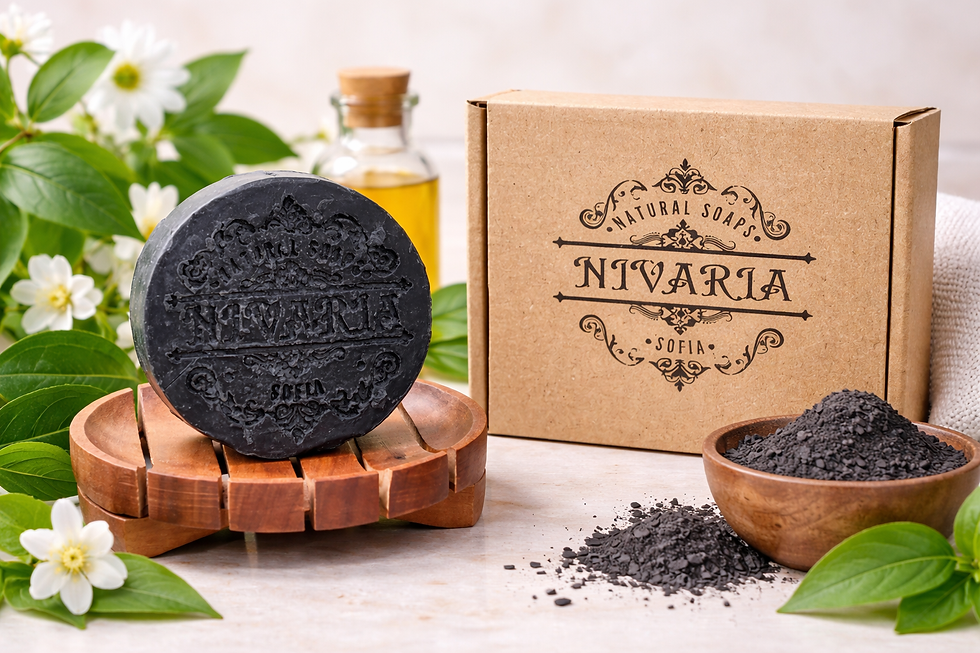
At Nivaria, our charcoal soap is created with carefully selected ingredients and a gentle formula designed to cleanse without unnecessary harshness. Activated charcoal works together with nourishing oils to leave the skin feeling clean, soft and refreshed.
Its minimalist character and naturally inspired formulation make it suitable for both face and body care as part of a simple daily routine.
How to Use Charcoal Soap
Using charcoal soap is simple:
Wet the skin with warm water.
Create a soft lather between your hands.
Massage gently onto the skin using circular motions.
Rinse thoroughly.
Follow with a moisturizer if needed.
For most skin types, using charcoal soap once daily is enough. Sensitive or very dry skin may prefer less frequent use.
Final Thoughts
Activated charcoal continues to be appreciated in natural skincare for its cleansing and refreshing qualities. Its long history and naturally simple character make it a timeless ingredient in soaps and other cosmetic products.
Whether you are discovering charcoal skincare for the first time or already enjoy natural soap as part of your self-care routine, charcoal soap offers a beautiful balance between cleansing, simplicity and everyday comfort.


Comments